
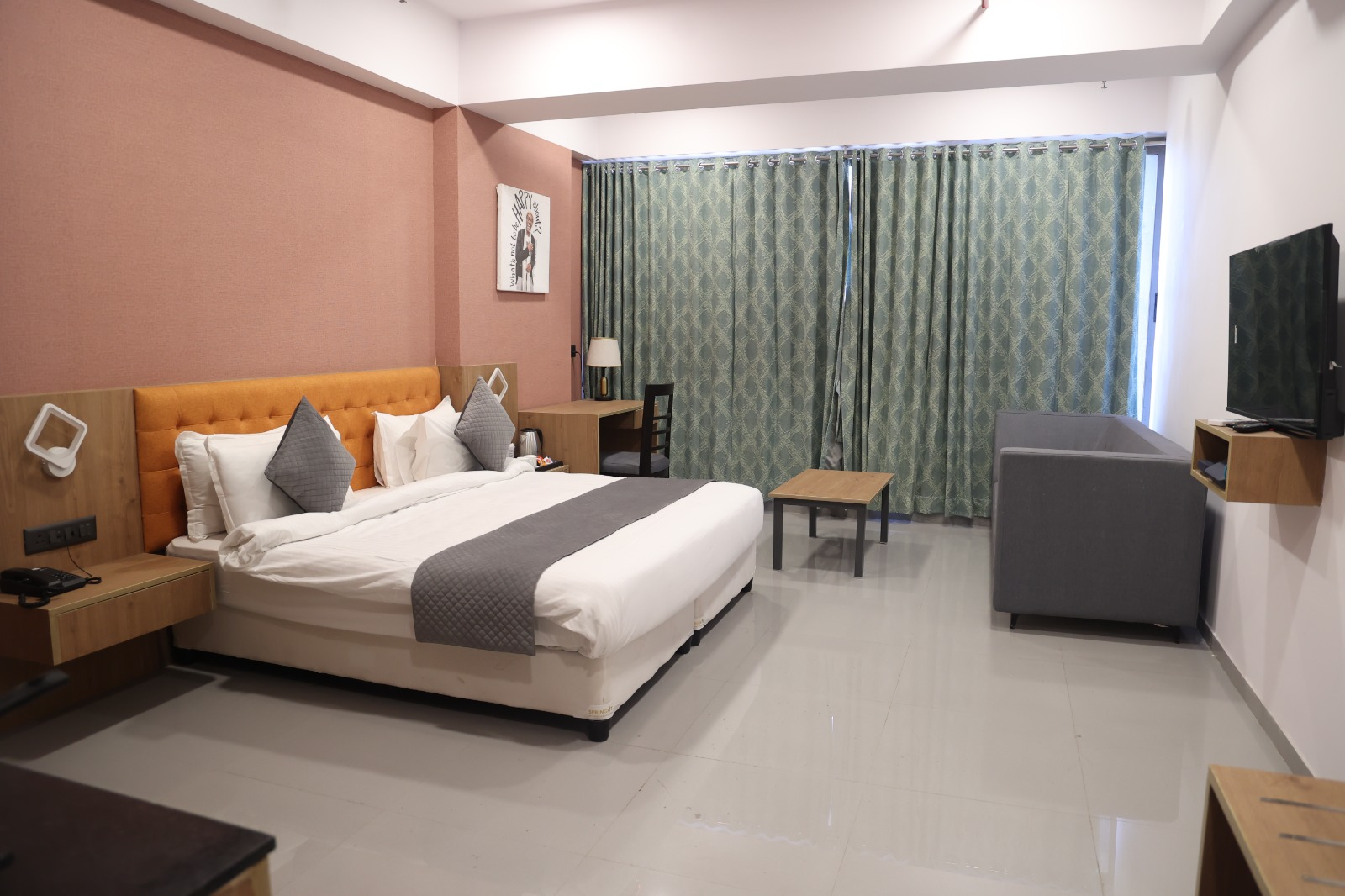
Karnavati University’s hostel life is not merely about providing accommodation; it is about creating a "Living-Learning" ecosystem. The residential campus is strategically designed to offer a blend of home-like comfort with a disciplined academic environment. In 2026, KU’s hostels are recognised as some of the most secure and tech-enabled student residences in the region, where the philosophy centres on the perfect balance of comfort, discipline, and independence.
A major advantage of the KU hostel is its on-campus location. Being situated just steps away from the academic buildings, studios, and laboratories, students can eliminate travel time. This proximity is a significant boon for design and technology students who often work late on intensive projects. Without the stress of a daily commute, students can maintain a healthier balance between their rigorous studies and essential extracurricular activities.
Safety is the core pillar of the KU residential experience. The campus is under constant CCTV surveillance and is patrolled by professional security teams around the clock. Beyond physical security, the university provides 24/7 support and supervision through a dedicated team of resident wardens and support staff. With an on-campus medical centre and ambulance services available at all times, parents can rest assured that their children are in a secure and caring environment.
Living at a KU hostel means becoming part of a diverse and vibrant community. The university offers separate, well-furnished wings for boys and girls, featuring both AC and Non-AC room options. Each room is designed to provide personal space and privacy, while the common lounges and recreation zones are built to foster community bonding. Features like high-speed Wi-Fi, professional laundry services, and a hygienic, nutritious mess facility make daily life completely hassle-free.
The residential ecosystem at Karnavati University is recognised as one of the most premium student living spaces in the region. The fee structure for 2026 is not merely an accommodation charge; it represents a strategic investment in a lifestyle that prioritises high-end amenities, high-speed connectivity, 24/7 security, and balanced dining—all of which are essential catalysts for a student’s academic success.
For the 2026 academic session, the annual hostel fees at Karnavati University typically range between ₹1,20,000 and ₹2,50,000. This pricing model is built on the principles of "Flexibility and Personal Choice," allowing students and parents to select a residential tier that best aligns with their budget and comfort requirements. To assist families with financial planning, the university generally allows these fees to be settled in instalments, easing the upfront economic commitment.
The variation in cost is primarily driven by the level of privacy and climate control you choose. A realistic breakdown for the 2026 intake shows that Triple Sharing (Non-AC) remains the most accessible entry point, typically ranging from ₹1,20,000 to ₹1,40,000 per year. For those seeking a balance of comfort and community, Double Sharing rooms (available in both AC and Non-AC variants) generally fall between ₹1,50,000 and ₹2,00,000. Students desiring maximum privacy and premium amenities can opt for Single Rooms, which are priced in the ₹2,00,000 to ₹2,50,000 bracket.
Most students assume hostel fees only cover rent, but at KU, the fee structure is an all-inclusive service package. Every room comes equipped with Essential Furniture, including a high-quality bed, a dedicated study table, and a secure wardrobe. Beyond the physical space, the fees cover 24/7 Security Services and professional Maintenance, ensuring that any technical or structural issues are resolved immediately. Additionally, high-speed Internet/Wi-Fi is integrated into the package to support digital learning. Depending on the specific plan chosen, Mess Charges for nutritious vegetarian meals are often bundled into these tiers to provide a seamless living experience.
For students who thrive in a high-energy, social environment, Triple Sharing rooms are the most effective choice. These rooms are particularly popular among first-year students as they facilitate immediate peer bonding and help in a faster adjustment to campus life. From a financial perspective, this is the most budget-conscious option, offering the lowest entry point into on-campus living. While the social nature of these rooms means more activity, they are ideal for those who prefer a vibrant community atmosphere over solitude.
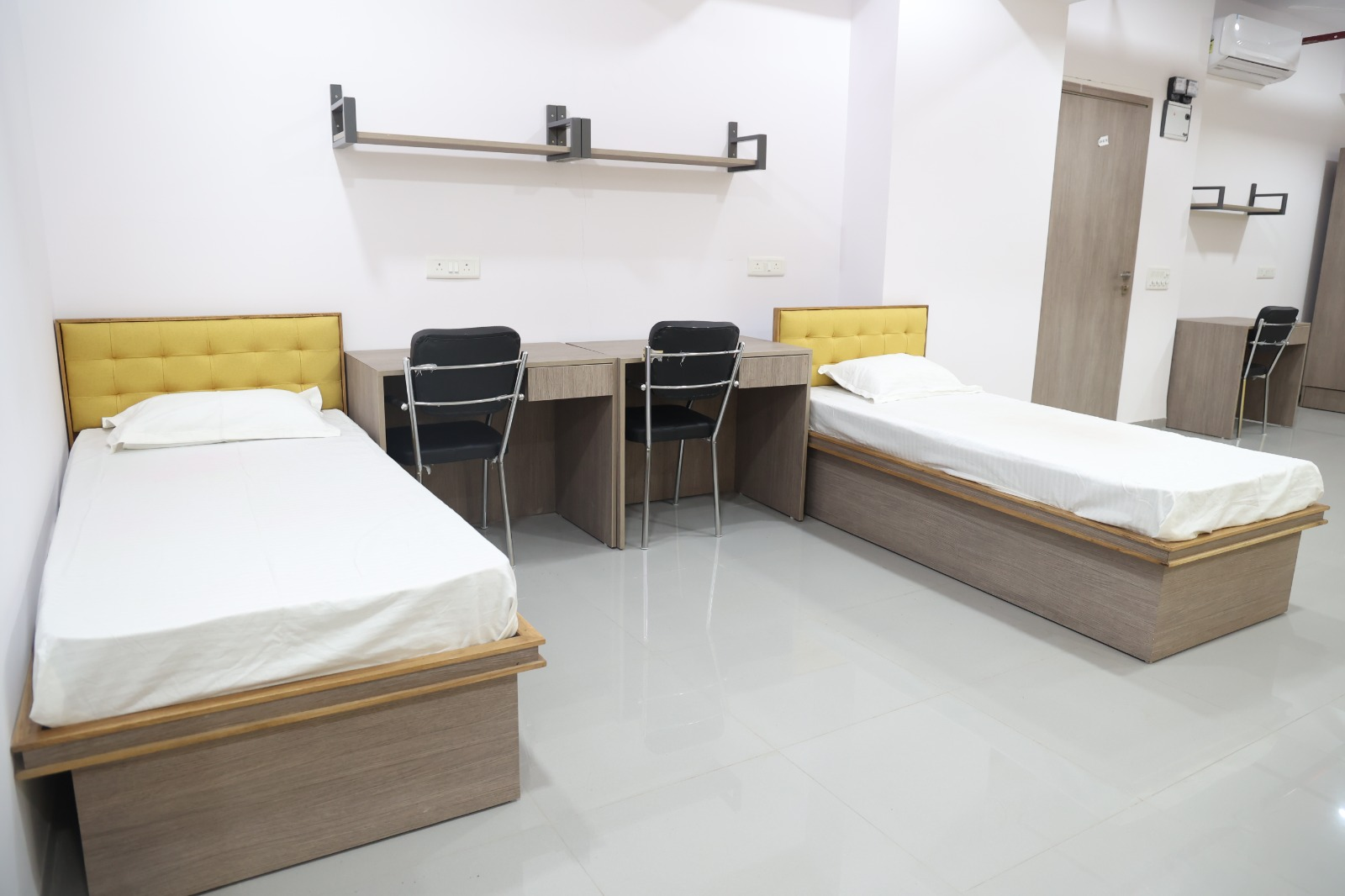
The Double Sharing room remains the most sought-after accommodation option at KU, offering a sophisticated balance between social interaction and personal space. This tier provides significantly more privacy than triple sharing while remaining more affordable than a single suite. It is the optimal middle ground for students who want a comfortable study environment and a dedicated roommate to share the university journey with, without the potential distractions of a larger group.
Designed for the focused academic, Single Rooms are the premium offering within the KU residential ecosystem. These spaces are tailored for students who require absolute privacy and zero distractions for serious academic preparation or creative deep work. While these rooms carry a higher cost and have very limited availability, they provide the ultimate environment for autonomy. It is the ideal choice for senior students or those in intensive programs who need a quiet sanctuary to manage high-pressure projects.
In a modern education system, connectivity and hygiene are not just perks—they are necessities. Karnavati University hostels feature a sophisticated high-speed Wi-Fi mesh network that covers everything from individual rooms to expansive common lounges. To maintain a healthy living environment, professional housekeeping services are deployed for regular deep cleaning of residential wings. These core services are bolstered by uninterrupted power backup and on-campus laundry facilities, ensuring that project deadlines and daily routines are never interrupted by technical or logistical hurdles.
A holistic university experience requires a balance between rigorous study and physical well-being. The campus residential area includes a specialised gym and fitness zones equipped with modern machinery, as well as vast sports facilities for outdoor activities. For downtime, common rooms and recreation areas serve as social hubs where students can unwind with indoor games. Conversely, dedicated study rooms provide a silent, library-style sanctuary for those who prefer an environment of absolute focus outside their personal rooms.
Security at KU is designed to provide peace of mind to both students and parents through a multi-layered approach. Entry into residential blocks is restricted via biometric or ID-based access systems, effectively eliminating unauthorised entry. Beyond technology, the human element is central to their safety protocol; dedicated wardens are stationed on each floor to maintain discipline and offer immediate assistance. For health-related concerns, the university provides emergency medical support with on-call professionals and ambulance services available 24/7. The dining experience at Karnavati University is designed around the principles of health, variety, and hygiene. Recognising that a student's academic performance is closely tied to their physical well-being, the university provides a managed food service that caters to a diverse, pan-India student body.
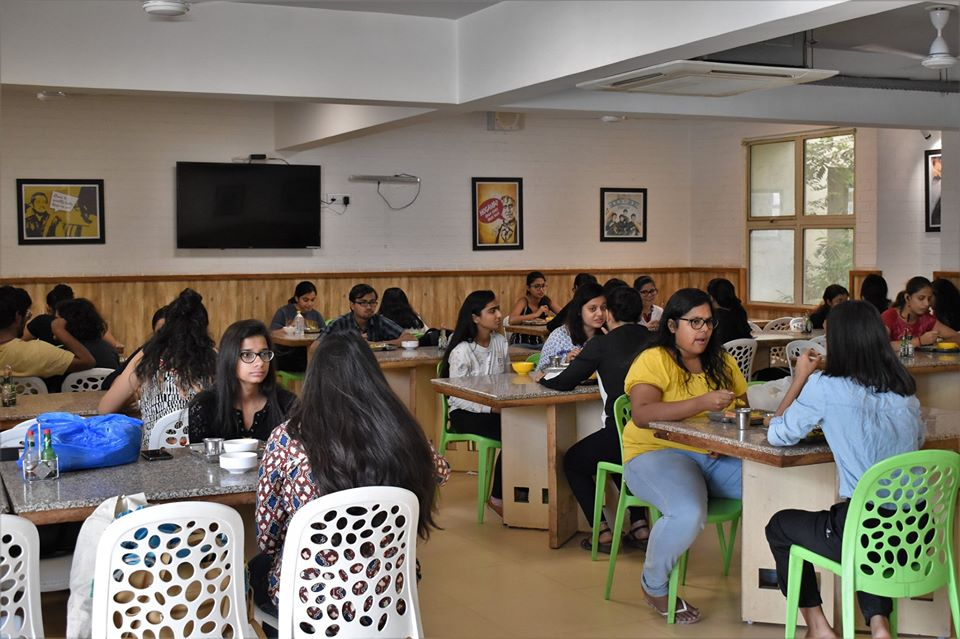
Karnavati University maintains a highly competitive pricing model for its dining services to ensure that nutritious meals remain accessible to all residents. For the 2026 academic session, mess charges typically range between ₹30,000 and ₹50,000 per year. This investment covers daily breakfast, lunch, high tea, and dinner. The variation in cost generally depends on the specific meal plan selected and the duration of the academic year, offering parents a predictable and manageable financial commitment.
The university mess serves as a multicultural culinary hub, offering a menu that reflects India’s diverse food heritage. To accommodate different dietary preferences, KU provides both Vegetarian and Non-Vegetarian options. The kitchen specialises in a rotating selection of North and South Indian meals, ensuring that students from all regions feel at home. Every menu is curated to provide a balanced diet, incorporating the right proportions of proteins, essential carbohydrates, and vitamins to sustain a high-energy campus lifestyle.
When looking at feedback from the current student community, the consensus points toward a reliable and safe dining experience. While students note that the food is decent and consistent rather than luxury-level, it is highly regarded for its domestic, "home-cooked" feel, which is suitable for daily consumption. A significant highlight is that the variety improves over time, as the management frequently updates the menu based on student council feedback. Above all, the facility is strictly monitored for hygiene and safety, ensuring that all meals are prepared in a sanitised, professional environment. While most guides focus solely on the sticker price of tuition, a truly professional budget accounts for the secondary costs that often surprise students and parents mid-semester. To maintain a "Backlinko-style" authority, we have broken these down into high-impact categories so you can plan your financial roadmap with 100% transparency.
Before you move in, there are essential one-time fees required to secure your spot. The most significant is the Security Deposit, which typically ranges from ₹10,000 to ₹25,000. This is a refundable amount held against potential damage,s but must be factored into your initial upfront cost. Additionally, a nominal Hostel Registration Fee is charged to cover the administrative processing of your residential application.
Your monthly outgoings will fluctuate based on your lifestyle choices. For instance, AC Electricity Charges are often billed separately based on actual meter consumption, meaning your summer bills might be higher. While high-speed internet is usually included, other Personal Utilities or premium Laundry Services (if not part of your base package) will require a separate monthly subscription. Planning for these "pay-per-use" features prevents budget leaks.
The most overlooked expenses are those triggered by specific actions. Late Fee Penalties are strictly enforced if hostel or mess dues are not cleared by the deadline. Similarly, Damage Charges are levied for any structural or furniture breakages within your room. Lastly, keep a buffer for Extra Facility Usage, such as specialised sports coaching or extended studio hours, which may carry additional hourly or semester-based fees.
The university hostel is the gold standard for first-year and outstation students. It provides a "safe and structured" environment that minimises the friction of moving to a new city. The biggest advantage is the zero-commute lifestyle; being on campus saves both time and money, allowing you to utilise university libraries and design studios late into the evening. For those who prioritise security and a distraction-free academic focus, the hostel is the most reliable investment.
For students who find the university hostel fees outside their budget, a PG is often the next stop. These are typically budget-conscious options located in nearby areas like Uvarsad or Adalaj. However, the lower price point comes with significant tradeoffs. Most PGs offer limited facilities—often lacking consistent high-speed Wi-Fi or laundry—and safety concerns can be a factor in unregulated buildings. Additionally, the daily travel to campus adds a hidden cost in both transportation fees and physical exhaustion.
As students progress into their senior years, many opt for the independence of a rented flat. This option offers the highest level of privacy and freedom but carries the heaviest responsibility. Moving into a flat involves high setup costs (security deposits, brokerage, and furniture) and requires you to manage cooking and maintenance personally. It is an ideal choice for a group of friends who want to share costs and can handle the "adulting" required to manage a household alongside their studies.
When evaluating the residential fees at KU, it is essential to look beyond the monthly rent. In a high-pressure academic environment—especially in creative fields like Design or intensive streams like Law—your living situation acts as a silent partner in your success. You aren't just paying for a room; you are investing in a high-utility ecosystem.
The true return on investment (ROI) of a university hostel comes from four invisible pillars. First is Unmatched Convenience; being steps away from your classrooms and studios means you aren't fighting Gandhinagar traffic. Second is Time-Saving; when you don't have to worry about cooking, cleaning, or maintenance, you reclaim roughly 15–20 hours a week that can be redirected toward your portfolio or exam prep. Finally, the Campus Exposure and Iron-Clad Safety provide a social and mental safety net that off-campus living simply cannot replicate.
The hostel is a "must-have" if you are new to the city and need a secure base to transition into university life. It is the ideal choice for students who value structure and want to surround themselves with a community of high achievers. If your priority is to maximise your access to university resources—like the 24/7 labs or the peer-to-peer brainstorming sessions that happen in the lounges at midnight—the hostel is worth every rupee.
However, the hostel might not be the right fit for everyone. If you are a student who craves absolute independence and prefers to manage your own meals and schedule without university guidelines, a flat might suit you better. Additionally, if you are working with a strictly limited budget or already have strong local contacts in Ahmedabad who can assist with verified off-campus housing, the premium cost of a university hostel may not be your primary requirement. To provide the most value to your readers, this final section focuses on "Financial Optimisation." Using the Backlinko style, we frame these not just as "tips," but as a Strategic Savings Framework to help families reduce the total cost of attendance without sacrificing the quality of the student experience.
Reducing your educational expenses requires a combination of smart selection and disciplined financial planning. At Karnavati University, there are several levers you can pull to lower your annual residential bill while still enjoying the core benefits of campus life.
The most immediate way to cut costs is through your choice of occupancy. For first-year students, choosing a Triple Sharing room is the most effective financial move; it offers the lowest base fee while providing an instant social network. Furthermore, opting for Non-AC rooms can lead to significant savings, as you bypass both the higher base rent and the additional electricity surcharges associated with climate control. Avoid "premium wings" or room upgrades unless they are essential for your specific academic needs.
Timing and discipline are your best tools for saving money. Whenever possible, pay your fees annually rather than in monthly instalments to avoid potential administrative surcharges or late-fee penalties. Additionally, always keep an eye out for merit-based scholarships or early-bird discounts that the university may offer; sometimes, high academic performance can lead to a reduction in overall residential costs.
Before committing to a multi-year stay, perform a Hostel vs. PG cost-benefit analysis. While a PG might seem cheaper at first glance, calculate the "total cost of living," including daily transportation, separate Wi-Fi bills, and external laundry services. Often, the consolidated nature of the university hostel fee is more economical in the long run. By being proactive and choosing the "utility-first" options, you can shave a significant percentage off your total educational budget.
Karnavati University’s residential system is a balanced ecosystem designed for the modern student. While it is certainly not the most budget-heavy option in the region, it positions itself firmly as a "Value for Money" investment. You are paying for the elimination of daily friction—no commutes, no utility management, and no security concerns—allowing you to dedicate 100% of your energy to your degree.
If you are an outstation student or a fresher entering the Ahmedabad-Gandhinagar academic hub for the first time, the university hostel is the most logical choice. It offers a "soft landing" into university life with a built-in community and professional support staff. While senior students might eventually seek the total independence of a rented flat, the hostel remains the superior choice for those who prioritise academic focus and campus exposure. To conclude your guide with a high-impact "Call to Action," we will frame these steps as a Strategic Roadmap. This moves the reader from being a "passive researcher" to an "active decision-maker," which is a hallmark of high-authority SEO blogs like Backlinko.
Making the final decision on your accommodation is the last piece of the admission puzzle. To ensure you don't miss out on your preferred room type or face last-minute budget shocks, follow this professional roadmap for the 2026 session.
While digital research is a great starting point, nothing replaces a physical campus visit. If possible, walk through the residential wings yourself. This allows you to check the room dimensions, test the Wi-Fi strength in common areas, and get a true sense of the atmosphere. While you are there, physically inspect different room types—from triple sharing to premium singles—to see which environment truly aligns with your personal study habits and comfort threshold.
Before signing the agreement, do a final Cost vs. Comfort comparison. Align your budget with your academic goals; for instance, if you are in a demanding design program, the extra cost of a quiet single room might be justified by the increased productivity. Once you have identified your ideal setup, the most critical step is to book early. With a growing intake of international and outstation students, limited seats in premium wings (especially AC rooms) fill up almost immediately after admission results are announced.
It ranges between ₹1,20,000 and ₹2,50,000 per year,r depending on room type.
Sometimes yes, but usually, the mess charges are separate.
Yes, both AC and non-AC rooms are available.